





Eco-responsible fashion: understanding and adopting a sustainable style
Embracing eco-responsible fashion means choosing a more sustainable and conscious way of consuming. As a powerful alternative to fast fashion, this approach prioritizes quality, transparency, and environmental respect. Let’s explore how fashion can become more responsible without ever compromising on style.
Defining Eco-Responsible Fashion: Concepts and Challenges
Distinguishing Between Ethical, Eco-Responsible, and Sustainable Fashion
Eco-responsible fashion is part of a global movement aimed at reducing the environmental impact of our wardrobes. It considers the entire lifecycle of a product: design, production, transport, usage, and recycling. Ethical fashion, meanwhile, places a stronger emphasis on working conditions, fair wages for artisans, and supply chain transparency. Finally, sustainable fashion unites these two dimensions—environmental and social—to encourage a more virtuous model that respects both the planet and its people.
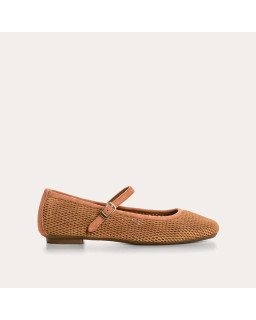
These three concepts complement each other with a shared objective: reimagining how we consume and manufacture fashion by prioritizing longevity, quality, and ecological awareness. In this light, choosing timeless designs like heeled ballerinas allows for an investment in pieces that transcend trends without losing their allure.
The Environmental Impact of Traditional Fashion
Fast fashion relies on intensive production, constantly renewed collections, and often exploited labor. Today, this industry remains one of the most polluting in the world, consuming billions of liters of water, discharging chemicals into rivers, and emitting significant amounts of CO₂. Synthetic garments made from plastic also release microfibers into the oceans with every wash.
Adopting eco-responsible fashion is an act of limiting this impact: choosing pieces made in Europe from natural or recycled materials, and supporting brands that favor reasoned production. This approach is at the heart of our mission, where every creative stage is designed to minimize our ecological footprint while maximizing customer satisfaction.
Sustainable Materials at the Heart of Eco-Responsibility
A Closer Look at Trending Responsible Materials
Eco-responsible clothing prioritizes materials with a low environmental impact. Key fibers include organic cotton—grown without pesticides or chemical fertilizers—as well as linen and hemp, which require very little water and energy. Tencel, a fiber derived from wood pulp, is also highly valued for its softness and eco-friendly manufacturing process.
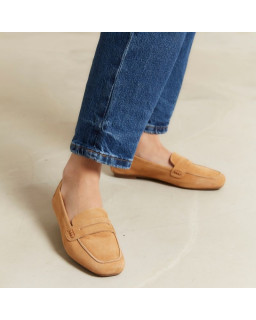
Vegan leather and certified tanneries are also emerging as innovative alternatives. By choosing sustainable materials, we support a fashion industry that blends aesthetics, quality, and responsibility. These more resilient materials ensure that garments and accessories are built to last. This is true for our soft loafers, such as the Hema model, designed to offer absolute comfort while respecting the nobility of the material.
Ecological Practices in Textile Manufacturing
Beyond materials, manufacturing plays a pivotal role. Increasingly, brands are choosing to produce locally, particularly in Europe, to limit transportation and support regional craftsmanship. This approach reduces CO₂ emissions and ensures full traceability of the production chain. Mastering short circuits is a major lever for a cleaner industry.
Certain companies are also adopting natural dyeing processes and recycling their textile waste. Small-scale productions in limited series help avoid overproduction and waste. This philosophy values quality over quantity and places humans back at the center of the creative process, ensuring products that are more authentic and rich with history.
How to Adopt Eco-Responsible Fashion Consumption Daily?
Adopting eco-responsible fashion begins with a shift in behavior. The goal is not to replace everything at once, but to buy less and buy better. Before every purchase, it is helpful to ask: do I truly need this piece? Was it made under ethical conditions? Is the material durable? Reflection before the act of buying is the first defense against overconsumption.
Prioritizing transparent brands, locally made clothing, and natural materials is a vital first step. Properly maintaining your clothes and shoes can also extend their lifespan by several years. Finally, recycling, repairing, or reselling what you no longer wear fits into a circular logic that restores value to every piece. These simple gestures contribute to a more responsible, conscious, and sustainable consumption for the long term.
The Reqins Commitment
At Reqins, our eco-responsible journey is rooted in a long-term vision: that of sustainable and sincere fashion. The brand is committed to designing shoes built to last, prioritizing quality materials, reasoned production, and Mediterranean craftsmanship. Every model is conceptualized in Marseille and then manufactured in partner workshops around the Mediterranean basin, respecting both artisans and resources.
To learn more about our brand commitments, feel free to explore our responsible approach to fashion through our various selections. For a style that is both elegant and sustainable, discover our women's collection, designed to accompany you season after season with the same high standards of quality.
Share this content