



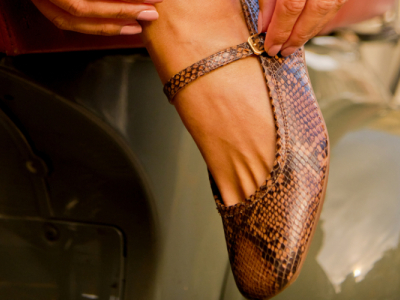
Sustainable footwear: a guide to eco-friendly materials
Choosing sustainable footwear is a powerful statement for the planet, rooted in ethical and conscious production. Today’s labels are reimagining manufacturing to minimize their carbon footprint through recycled fibers, vegan leathers, and organic textiles. This shift marks a true revolution in the industry: a commitment to consuming better, extending longevity, and embracing sustainability without ever compromising on style. Modern luxury is no longer just about aesthetics; it is about the story behind the product and its impact on the world.
But which materials truly master the balance between comfort, quality, and eco-consciousness? Let’s explore the secrets of eco-designed footwear and the game-changing materials defining the future of fashion, ensuring that every step you take is both stylish and responsible.
Decoding Sustainable Materials for Conscious Choices
Materials are the soul of a shoe’s durability; they dictate resilience, comfort, and environmental impact. Every fiber—natural or synthetic—carries its own ecological footprint. Eco-responsible footwear prioritizes innovative materials that reduce water pollution, minimize waste, and cut energy consumption. By favoring recycled elements, plant-based leathers, or organic fabrics, you actively lower your impact. Understanding the origin and lifecycle of these materials allows every woman to become a key player in a more sustainable fashion landscape, turning everyday dressing into an act of advocacy.
Key Natural Materials in Focus
Vegan Leather: Ethical & Innovative Alternatives
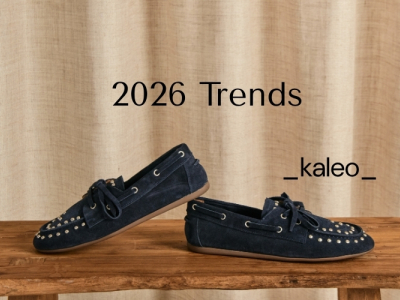
Vegan leather is a cutting-edge alternative to traditional animal hides, perfect for an ethical wardrobe. Crafted from natural or upcycled sources—such as pineapple fibers, grape marc, apple waste, or mycelium—it bypasses the heavy chemical processes of conventional tanning. Embraced by conscious brands for contemporary designs, it offers breathability, flexibility, and easy care. This material is particularly stunning when applied to classic silhouettes, such as our eco-conscious loafers, which combine timeless sophistication with a modern, planet-friendly edge.
Organic Textiles: Cotton, Hemp, and Linen
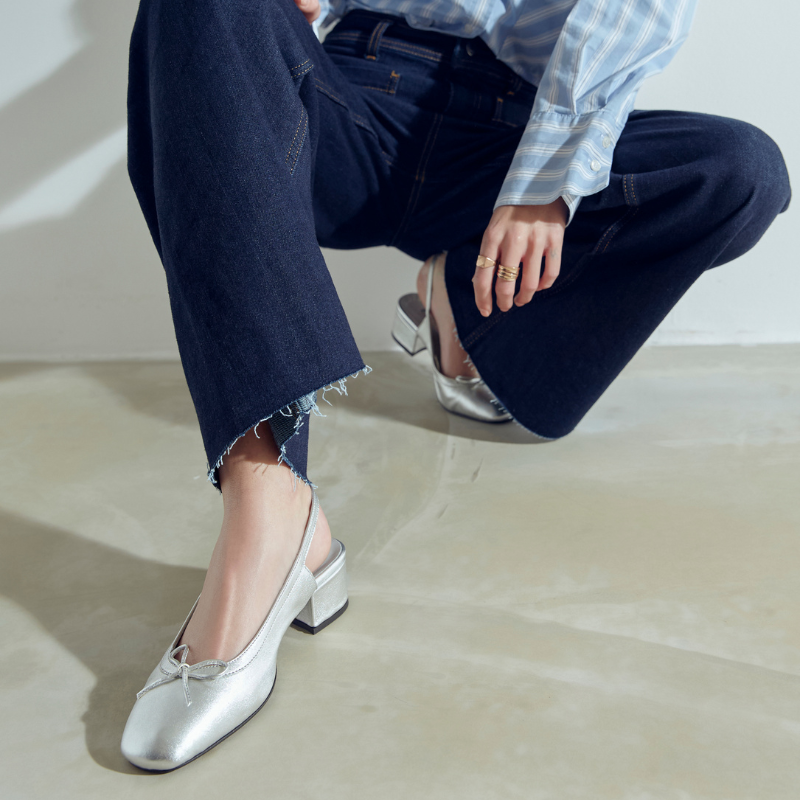
Organic textiles like bio-cotton, hemp, and linen deliver exceptional breathability and robustness with a low environmental impact. Hemp requires minimal water, while linen is celebrated for its lightweight durability. Certified by GOTS or Oeko-Tex, these eco-fabrics ensure full traceability and champion a circular fashion model. For instance, the use of organic canvas or soft recycled linings can transform a pair of ballerinas into a sustainable icon of French elegance, perfect for a conscious stroll through the city.
The Power of Recycled Synthetics
Recycled Polyester for Conscious Designs
Derived from plastic bottles or textile waste, recycled polyester retains lightness, strength, and easy maintenance while drastically reducing CO₂ emissions compared to virgin polyester. Ethical labels use it to create high-performance footwear that also targets the reduction of microplastics, merging technology with environmental responsibility. This innovation proves that performance and sustainability are no longer mutually exclusive, but rather two sides of the same coin in modern craftsmanship.
Sustainable Innovations and Circular Economy
From recycled rubber outsoles to bio-based TPU and materials reclaimed from ocean waste, these advancements are the pillars of a circular economy. The fusion of artisanal know-how and ecological innovation is sketching the new blueprint for sustainable luxury. We are seeing a move towards "closed-loop" production, where every component of the shoe is designed to be disassembled and repurposed, significantly reducing the burden on our natural landfills.
The Long-Term Environmental Benefits
Eco-responsible shoes consume less water, emit less CO₂, and generate minimal waste throughout their lifecycle. Thanks to recycled or organic components, they are often designed to be repairable or recyclable—a vital lever for extending usage and preserving virgin resources. Adopting a more mindful way of dressing means moving away from "fast fashion" and investing in pieces that are built to last. Quality over quantity is the mantra of the sustainable era, ensuring that our wardrobes remain curated and environmentally sound.
Smart Selections to Reduce Your Footprint
Prioritize certified natural fibers (GOTS, Oeko-Tex) or recycled materials, and seek out brands committed to total manufacturing transparency. Favoring local or European production also helps minimize transport-related emissions and supports regional savoir-faire. Remember: a high-quality shoe, properly selected and produced under fair conditions, remains the most ecological choice of all. It is about making an investment in the future of fashion.
Mastering the Art of Longevity
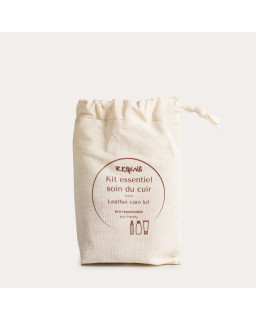
Care makes the ultimate difference in the quest for sustainability. Clean your shoes with specialized products—eco-friendly creams, brushes, and protectors—alternate your wears to let materials breathe, and store them away from humidity. Using cedar shoe trees or protective dust bags can also significantly extend the life of your favorite pairs. A well-maintained shoe lasts for years, reducing unnecessary production and consumption. It is a simple yet powerful gesture that honors the craftsmanship behind each pair and protects the planet we walk upon.
Ready to make a conscious choice? Explore the House of Marseille's latest creations to discover how to pair sustainability and trends this season and elevate your look with Reqins.
Share this content