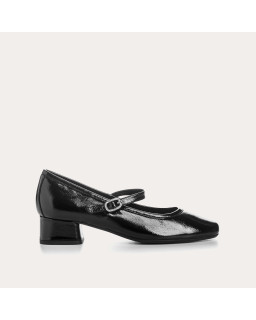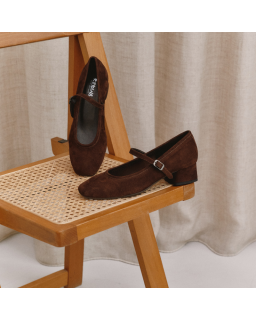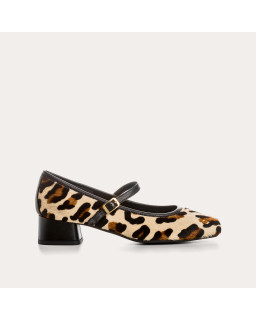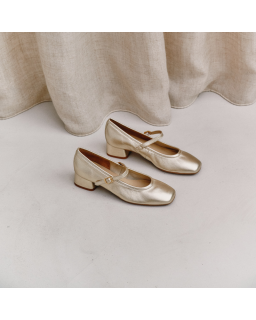



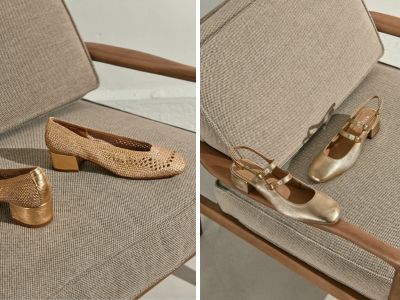
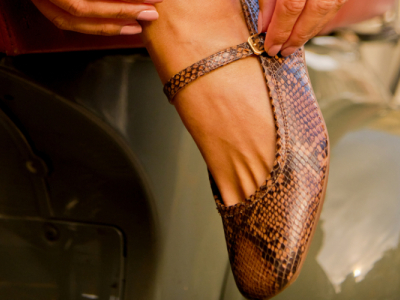
Quality over everything: the art of the perfect pair
Investing in high-quality footwear is a choice rooted in durability, comfort, and artisanal expertise. In an era where mass-market models are everywhere, many still wonder why choose high-quality shoes over low-cost alternatives. The answer lies in several essential pillars: superior resilience, noble materials, daily comfort, and foot health. Let’s discover what truly distinguishes a masterfully crafted shoe from a fleeting fashion item.
Why Prioritize Quality Over Low-Cost Footwear?
Durability and Longevity of High-Quality Shoes
A quality shoe is first defined by its durability. Premium materials, such as full-grain leathers or high-grade suedes, are designed to withstand friction, humidity, and warping. Unlike synthetic materials, they evolve over time, developing a beautiful patina and gaining suppleness. Soles, often stitched or reinforced, do not detach after a few weeks. This robustness extends the life of the pair and reduces repetitive consumption, making it a cost-effective investment in the long term.
Comfort and Health for Your Feet
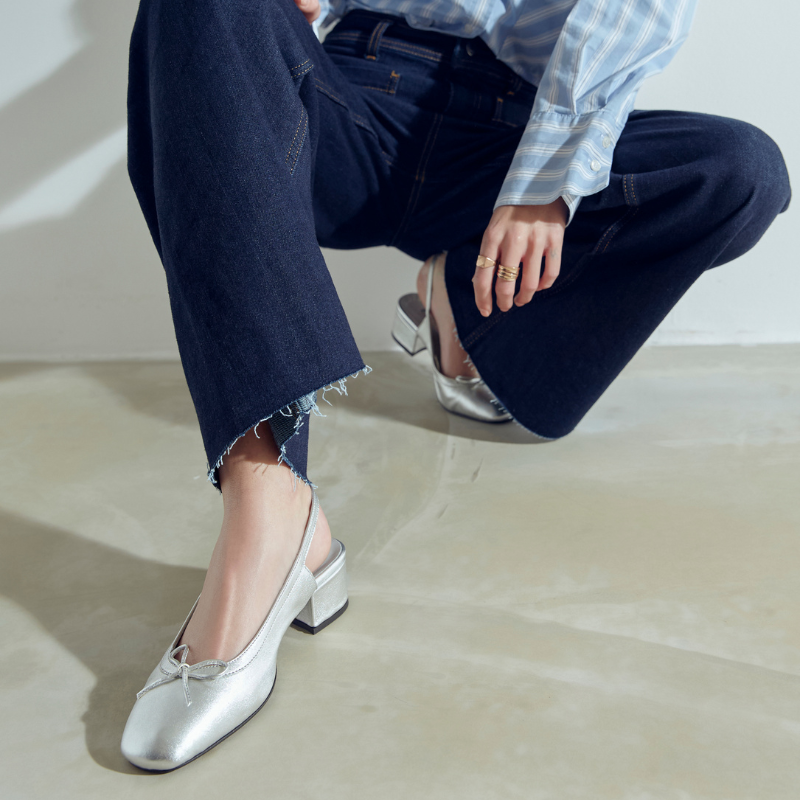
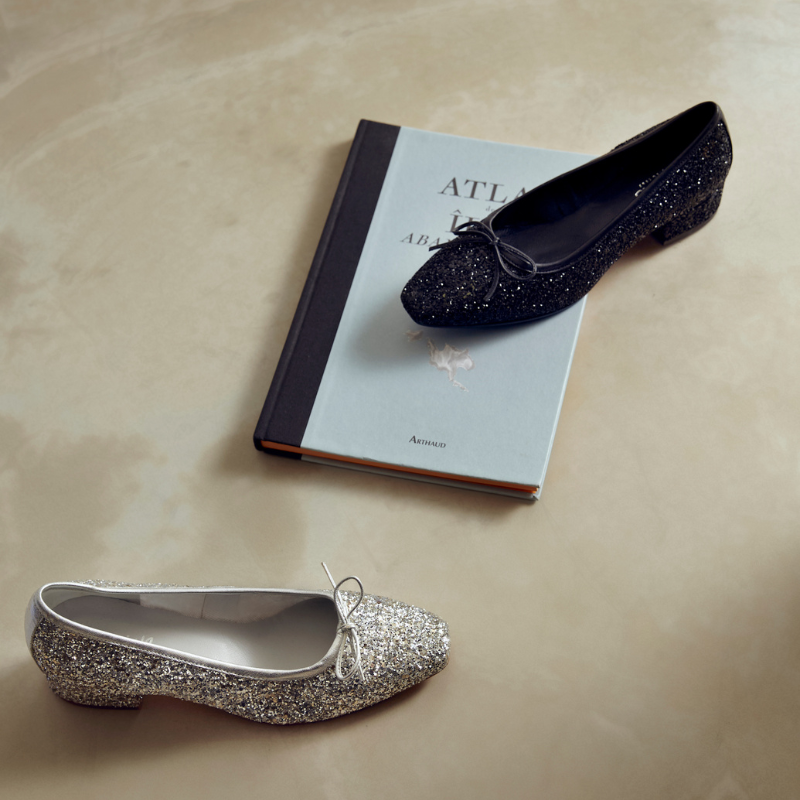
High-quality shoes offer genuine support, thanks to soles engineered to cushion and protect the foot. Breathable materials prevent overheating, blisters, and excessive perspiration. A well-constructed pair respects the natural shape of the foot, reduces plantar pain, and contributes to better posture. Comfort isn't just about the initial fitting: it is felt daily, especially in iconic models like the Harmony ballerina, where the flexible construction guarantees immediate well-being.
Quality Footwear for Women: An Investment Worth Making
Quality shoes for women represent a true investment in both style and foot health. A well-designed shoe follows the natural movement of walking, limits fatigue, and offers an incomparable sense of support. Premium models use noble materials selected for their resilience and comfort. This is a particularly important choice for active women, often on the move, who seek elegance, stability, and durability all at once.
Beyond comfort, quality ensures a more polished aesthetic. Leathers develop character, finishes remain intact, and colors stay vibrant. A premium pair does not lose its shape; it maintains its silhouette and transcends seasons without losing its allure. As a result, the purchase cost is largely amortized over time. It is far better to own one beautifully constructed pair than several fleeting models that wear out quickly and require frequent replacement.
Premium Materials: The Secret to a Lifetime Companion
The Materials Used: Full-Grain Leather, Treatments, and Alternatives
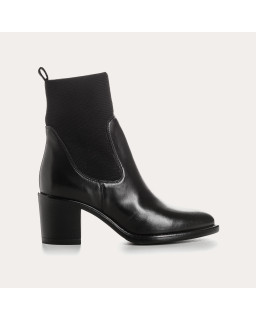
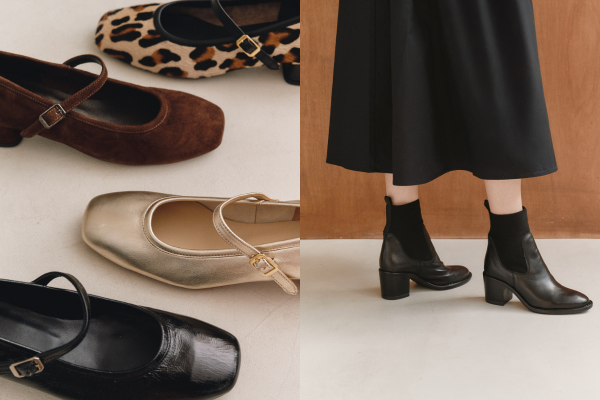
The choice of materials is at the heart of shoe quality. Full-grain leather, for example, is considered the most noble: it retains the entire upper surface of the hide, ensuring strength, flexibility, and breathability. It naturally shapes itself around the foot and ages with grace. Treated leathers, such as patent or oiled finishes, provide shine or protection while preserving the quality of the raw material. These standards are essential for character pieces like the loafer, whose structure relies on the robustness and nobility of the skins.
Artisanal Manufacturing Methods: The Impact on Quality
Behind every quality shoe lies meticulous work. The lasting, the stitching, the choice of soles, and the finish determine the stability, flexibility, and resistance of the model. Artisanal methods rely on traditional gestures: reinforced stitching, precise mounting, and expert leather cutting. These techniques ensure an impeccable look and exceptional durability. At Reqins, this rigor is inseparable from the art of detail, ensuring a shoe that is both ethical and high-performing.
How to Identify High-Quality Shoes?
Choosing the Right Leather and Finishes: What to Look For
To recognize a quality shoe, it is essential to examine the leather. Full-grain leather features a regular natural grain and breathes to the touch. It should be neither too rigid nor too thin. Finishes are equally important: even stitching, an absence of excessive creases, and clean edges. A good shoe has no visible defects or traces of glue. The insole must offer real support and be designed in a breathable material.
Construction and Assembly
Construction is a determining factor in shoe quality. Assembly techniques, whether precisely bonded or stitched, guarantee a solid, durable, and comfortable structure. A quality shoe can be recognized by the regularity of the stitching, clean assembly, and carefully balanced sole thickness. These elements ensure optimal foot support and better daily shock absorption, allowing the shoe to maintain its shape despite the passing years.
Frequently Asked Questions
Are expensive shoes always better quality?
A high price does not always guarantee good quality, but noble materials and demanding manufacturing naturally have a cost. A shoe from a committed brand is synonymous with durability, comfort, and expertise, whereas a low price often reflects rushed production, fragile materials, and a short lifespan. The true indicator remains the construction, the finishes, and the nobility of the raw material.
How can I maintain my high-quality shoes?
To maintain quality shoes, it is important to regularly clean the leather and nourish the material with a suitable product. We recommend using shoe trees to preserve their shape and allowing the pairs to rest between wears. Proper care extends the life of your shoes and allows the leather to retain its original beauty. Investing in quality is the first step toward more responsible and sustainable consumption.
To discover durable models blending style, comfort, and savoir-faire, explore the women's collection designed by Reqins.
Share this content