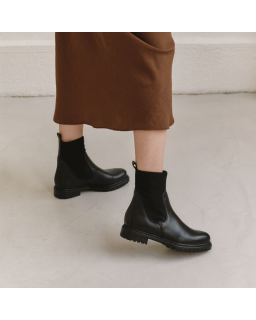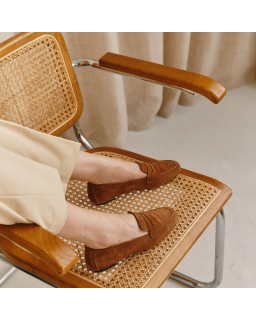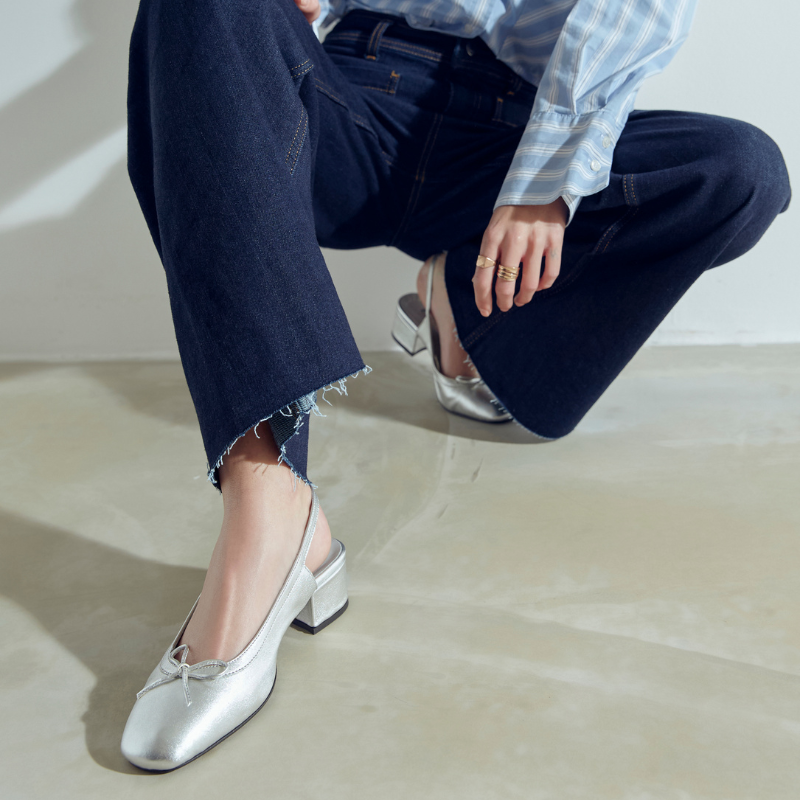
Leather or textile: decoding the material dilemma
The quest for the perfect pair often sparks a crucial dilemma for every style enthusiast: should you opt for textile or leather shoes? This choice transcends mere aesthetics or passing trends; it directly dictates your daily comfort, postural health, and the longevity of your investment. Between leather—the noble, historically supreme material—and textile—the hallmark of lightness, breathability, and urban modernity—each material possesses unique properties. At Reqins, we understand that every foot is different and every occasion calls for a specific material. This detailed guide helps you decode these fabrics, understand their origins, and master their behaviors to make the ultimate choice for your lifestyle and ethical values.
The Leather Statement: Pros and Cons
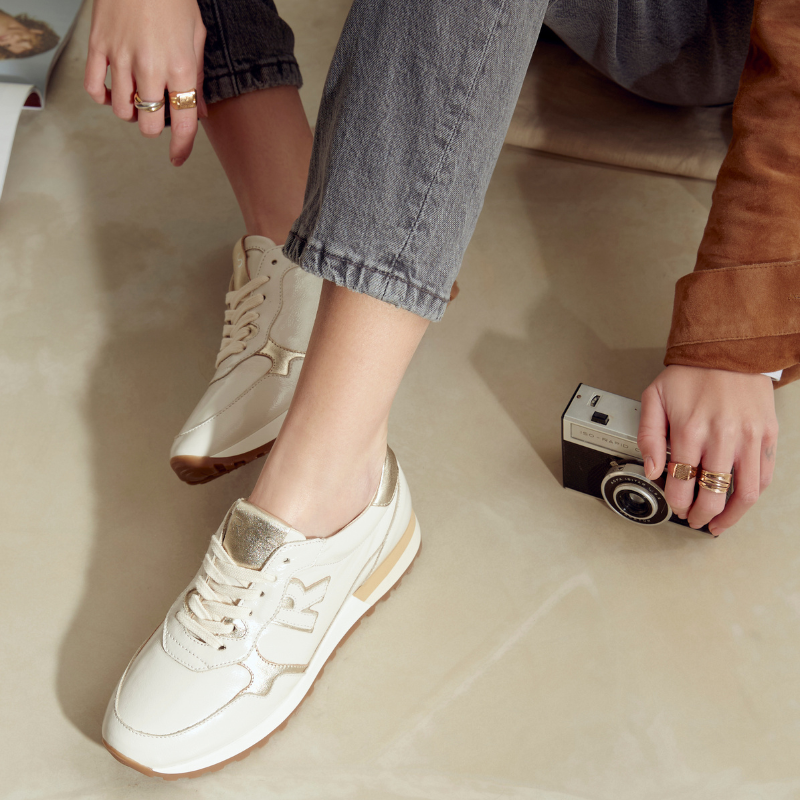
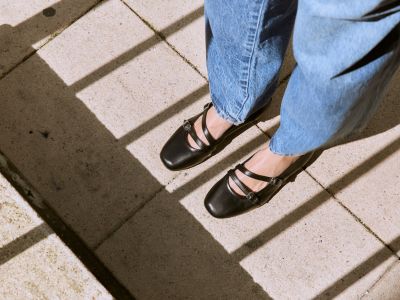
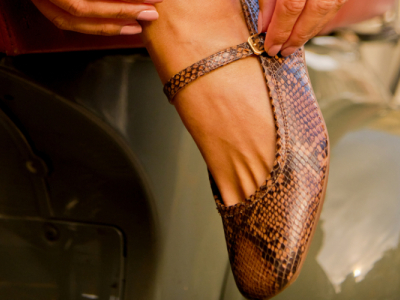
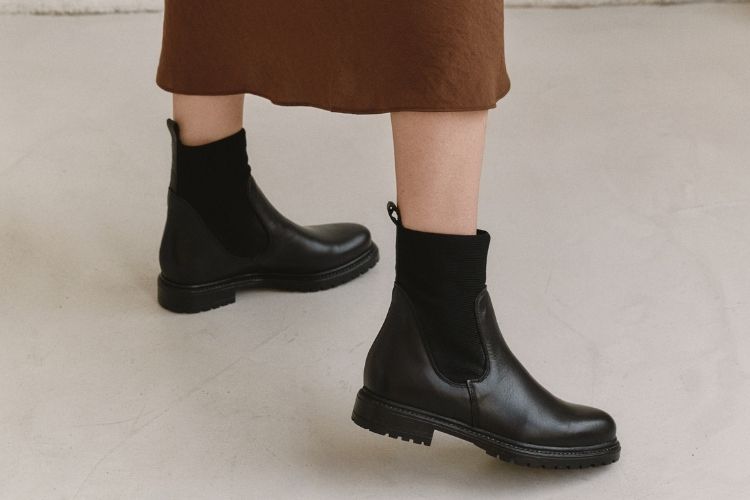
Leather remains the absolute gold standard in the premium footwear industry. This natural material has been celebrated for millennia for its exceptional mechanical properties. Unlike synthetic alternatives, leather is a "living" material with a complex fibrous structure. This provides unparalleled resistance to tension and tearing. Choosing leather means opting for a material that breathes, adapts, and possesses a natural shape memory. However, this technical excellence comes with specific demands: leather requires regular care to brave the elements.
Strengths of a Noble and Durable Material
Investing in leather shoes is, above all, a bet on exceptional longevity. Quality leather doesn't just last; it improves with age, developing a unique patina. Comfort is the other fundamental pillar. Leather's structure allows it to expand slightly under heat, eventually molding perfectly to the morphology of your feet. Furthermore, its thermoregulating properties are incomparable: its natural porosity ensures efficient moisture wicking, preventing that damp feeling. From pumps to ankle boots, leather ensures a stable and protected stride.
Limitations of Genuine Leather
Despite its virtues, leather imposes certain constraints. The price point is often higher due to the artisanal craftsmanship involved. Initially, new leather can feel somewhat rigid. Maintenance is also a key vigilance point: leather is prone to drying out and must be nourished with specific products to prevent cracking. Finally, while resilient, leather dislikes prolonged exposure to water without prior protection (waterproofing), which can lead to stubborn stains.
The Textile Revolution: Fabric and Synthetic Innovations
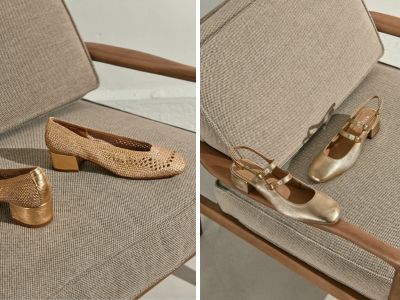
Contrasting with leather tradition, textile and synthetic shoes shine through technological creativity. Whether we speak of jacquard, cotton canvas, or recycled materials like polyester, textiles offer total freedom of movement. These materials allow for textures and colors impossible to achieve on animal hides. Today, textile models integrate effortlessly into urban collections, offering a lightweight and resolutely modern alternative for those looking to break the codes of classicism.
Why Embrace the Suppleness of Canvas and Fabric
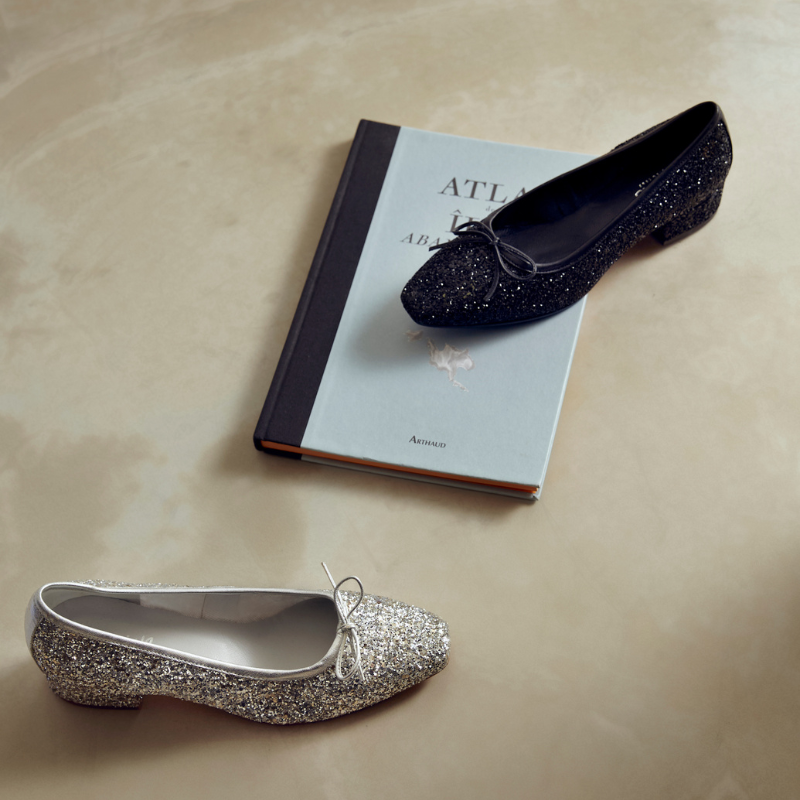
The number one asset of fabric is its weightlessness. A canvas shoe is forgotten the second you put it on, reducing muscular fatigue during long walks. Unlike leather, textiles require almost no break-in period: comfort is immediate. Breathability is the second major argument, allowing for optimal air circulation. Stylistically, textiles allow for bold prints and metallic finishes. It is the ideal choice for your summer sneakers or espadrilles where maximum heat evacuation is required.
Weaknesses of Textile and Faux Leather Materials
However, this lightness comes with a generally lower structural lifespan. Over time, fabric can fray or stretch out. Materials like faux leather or microfiber attempt to mimic the look of leather but often fail on breathability, sometimes creating a "greenhouse" effect for the foot. Additionally, a textile upper offers less support for feet requiring a firm hold. Finally, textile aging is less graceful: once stained or worn, it is complex to restore its original appearance.
Mastering Maintenance by Material
Mastering care is indispensable. For leather, the routine must be rigorous: dusting, cleaning, and above all, hydrating with quality products. For textile shoes, prevention is king: regular waterproofing creates a barrier against stains. In both cases, the Reqins expert tip is to alternate your pairs! Letting a shoe rest for 24 hours allows moisture to evaporate and fibers to return to their original shape.
Environmental Impact: Leather vs. Recycled Materials
The ecological debate is nuanced. Leather is a durable byproduct: a pair kept for 10 years often has a lower footprint than several disposable synthetic pairs. Conversely, the textile industry is innovating with recycled materials. At Reqins, we prioritize short circuits and European tanneries with strict standards. Choosing a well-crafted product means rejecting fast fashion in favor of a sustainable economy.
FAQ: Everything You Need to Know
Is leather truly more comfortable than textile?
Comfort is subjective. Leather offers "anatomical" comfort over time as it molds to your foot, while textile offers "immediate" comfort with zero resistance. For long walks, the support of leather is often preferable.
Which material should I choose for sensitive feet?
Sensitive feet will appreciate the suppleness of technical textiles or a very fine suede. These materials limit painful pressure points and guarantee comfort without irritation from the first step.
Does textile make you sweat more than leather?
It depends on the fiber. Natural cotton canvas breathes better than patent leather. However, genuine leather will always out-breathe faux leather, which acts as a plastic barrier.
Which material offers the best lifespan?
Leather wins hands down on longevity. Well-maintained leather can live for over 10 years, whereas textile eventually suffers irreparable mechanical wear after a few seasons of intensive use.
For an office look: leather or textile?
Leather remains the gold standard for its structured allure. However, mixing textile and leather is very on-trend: a sneaker with textile inserts displays a dynamic, contemporary style, perfect for "business casual" settings.
To dive deeper into responsible consumption, feel free to browse our article on sustainable shoe materials and discover how Reqins is committed to your feet.
Share this content